


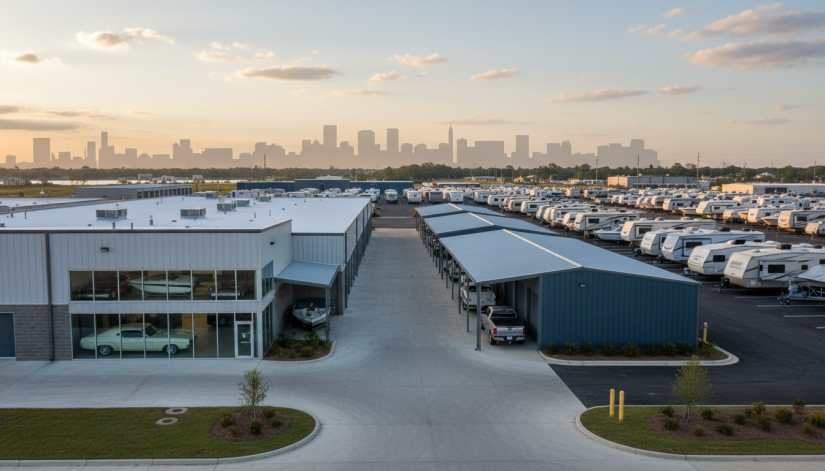


Vehicle Storage in Pascagoula, MS: Options, Unit Sizes, Costs, and Smart Prep Tips
Vehicle Storage in Pascagoula, MS
Life in Pascagoula moves fast. Between shift work, travel, relocations, and seasonal hobbies, it’s common to have a vehicle you don’t drive every day—an extra car, a motorcycle, a project truck, or an SUV you keep for weekend trips. Vehicle storage gives you a safe place to park it without cluttering the driveway or leaving it exposed to coastal weather.
If you’ve never stored a vehicle before, the choices can feel confusing: indoor vs. covered vs. outdoor, which unit size to rent, what paperwork you might need, and how to prep your vehicle so it starts up like normal later. This guide walks through it all in a clear, practical way.
Why Vehicle Storage in Pascagoula, MS Is Essential
Pascagoula’s Gulf Coast location is great for outdoor living, but tough on vehicles sitting still. Sun, humidity, salty air, and heavy rain can accelerate rust, fade paint, and create musty interior smells—especially if a vehicle sits for weeks or months.
Vehicle storage helps because it:
- Protects vehicles from weather, vandalism, and theft by moving them into a more controlled environment than street parking or an open driveway.
- Works well for seasonal or infrequently used vehicles, like motorcycles, classic cars, spare family vehicles, or weekend trucks.
- Frees up space in driveways and garages, making everyday parking and home projects much easier.
Vehicle Storage Size Guide
Unit sizing is where people often overpay. You want enough space to park comfortably and open doors, but not so much that you’re renting extra square footage you’ll never use.
10x15 Units
- Best for compact cars and small vehicles
- Works if you’re okay with tighter clearance
- Good example: storing a compact sedan during work travel
10x20 Units
- Fits most sedans, SUVs, and some small trucks
- The most common “fits most vehicles” option
- Good example: storing a midsize SUV while your garage is under renovation
10x30+ Units
- Best for large trucks, vans, or multiple vehicles
- Great if you want room for tires, tools, or spare parts
- Good example: long-bed truck + motorcycle, or a work van with equipment
Quick measuring tip: Measure bumper-to-bumper length and add clearance for walking space and door opening. If your vehicle has a lift kit, roof rack, or antenna, check height too—door openings matter for enclosed storage.
Types of Vehicle Storage Options
Indoor Vehicle Storage
- Full weather protection and stronger security
- Best for classic cars, long-term storage, and high-value vehicles
- Tradeoff: higher cost and you must confirm door clearance
Covered Vehicle Storage
- Shields from sun and rain while still ventilating
- A strong “middle option” on the coast because UV is relentless
- Tradeoff: less protection than enclosed, and availability can be limited
Outdoor Vehicle Storage
- Most budget-friendly and often easiest for large vehicles
- Good when you mainly need secure parking in a gated lot
- Tradeoff: most exposure to coastal conditions, so prep matters more
Storage Recommendations by Vehicle Type
Cars and Sedans
- Best: Indoor or covered
- If outdoor: use a breathable fitted cover and do monthly check-ins
Trucks and SUVs
- Best: Outdoor or large covered spaces for easier access
- Newer/long-term keepers: covered helps protect paint and trim
Motorcycles and ATVs
- Best: Indoor or covered
- Consider a fitted cover, moisture control, and an added lock
Benefits of Using Vehicle Storage
- Maintains condition during long storage by reducing UV, moisture, and storm exposure
- Adds security for valuable or classic vehicles
- Offers flexibility (month-to-month is common) when schedules change
Preparing Your Vehicle for Storage
A little prep prevents the common storage problems: dead battery, flat-spotted tires, stale fuel, and funky smells.
Basic checklist:
- Wash and wax (helps protect paint and reduce corrosion risk)
- Clean the interior (remove food, vacuum, wipe surfaces)
- Inflate tires to the correct PSI (helps reduce flat spotting)
- Battery care: disconnect the battery or use a maintainer if allowed
- Cover smart: use a breathable fitted cover (avoid plastic tarps)
Extra steps for longer storage:
- Fill the tank + add fuel stabilizer
- Top off fluids (and consider an oil change)
- Avoid leaving the parking brake engaged long-term; use wheel chocks if appropriate
Cost Comparison of Vehicle Storage in Pascagoula, MS
Pricing depends on unit size, protection level, and availability. Use these as practical budgeting ranges:
- Outdoor storage: often $50–$120/month
- Covered storage: often $90–$180/month
- Indoor/enclosed storage: often $150–$350+/month
Rule of thumb: If your vehicle is valuable, you’re storing through storm season, or you won’t check on it often, covered or indoor is usually worth it.
FAQs About Vehicle Storage
Is a 10x20 unit big enough for most vehicles?
For many sedans and mid-size SUVs, yes. Larger trucks may need 10x25 or 10x30 for comfortable clearance.
Do I need proof of insurance to store a car?
Many facilities require proof of insurance or offer a protection plan. Requirements vary—ask before move-in.
How much does vehicle storage cost in Pascagoula?
A practical range is $50–$120 (outdoor), $90–$180 (covered), and $150–$350+ (indoor), depending on size and features.
Pro Tips for Long-Term Vehicle Storage
- Use fuel stabilizer if storing more than 1–2 months
- Start the vehicle periodically if allowed/accessible
- Check tire pressure and fluids before driving off
- Bring a jump pack on pickup day—just in case
How to Choose the Right Storage Facility in Pascagoula
The facility matters as much as the storage type. Look for:
- Gated access, strong lighting, and camera coverage
- Wide lanes and access hours that fit your schedule
- Clear policies and transparent fees
- Reviews that mention security, cleanliness, and customer service
Next Step
If you’re ready to compare options and reserve a spot, start here: vehicle storage in Pascagoula, MS.

