


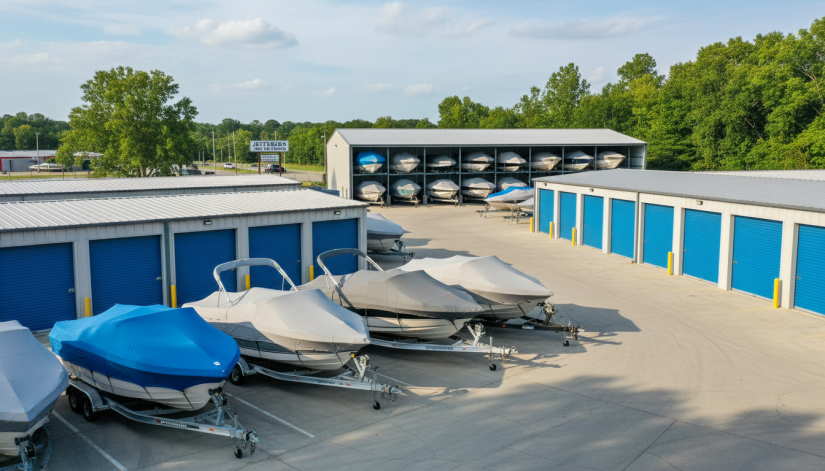


The Ultimate Guide to Boat Storage in Jefferson, IA: Protect Your Boat Year-Round
Boat Storage in Jefferson, IA: How to Protect Your Investment
Introduction: Why Proper Boat Storage Matters
Boat ownership is a big investment, and keeping your vessel protected is just as important as enjoying time on the water. Whether you already live near Jefferson, IA, or are planning a move to the area, proper boat storage is essential.
The Midwest brings unpredictable weather—snowy winters, hot summers, and the occasional surprise storm. Without the right storage, your boat can suffer from weather damage, fading, rust, and wear. This guide is here to help Jefferson residents and newcomers understand their boat storage options and choose the best solution for long-term protection.
Why Boat Storage Matters
Storing your boat correctly does more than just clear space in your driveway:
- Protects against weather and damage – Shields from snow, ice, UV rays, rain, and debris so your boat looks and performs its best each season.
- Keeps you compliant with local rules – Many neighborhoods and cities have regulations about parking boats outside. Proper storage helps avoid fines or complaints.
- Extends your boat’s lifespan – Reduces wear from sun exposure, moisture, and dirt, preserving both appearance and performance.
Types of Boat Storage Options
In and around Jefferson, you’ll typically find three main storage types:
1. Outdoor Dry Storage
This is the most cost-effective option. Your boat stays on its trailer in an open lot or designated parking area.
- Pros:
- Budget-friendly
- Easy access for towing and launching
- Works well for short-term or seasonal storage
- Cons:
- Least protection from weather
- Exposed to sun, snow, rain, and debris
2. Indoor Dry Storage
Indoor storage places your boat inside a building or enclosed unit.
- Pros:
- Strong protection from snow, hail, UV rays, and wind
- Reduced risk of theft and vandalism
- Great for newer or high-value boats
- Cons:
- Higher monthly cost
- Size limits may apply for larger boats
3. Wet Dock Storage
Your boat stays in the water at a dock or slip.
- Pros:
- Very convenient if you use your boat frequently
- Ready to go with minimal prep
- Cons:
- Constant water exposure can affect the hull and engine
- Requires more frequent maintenance
- Not ideal for year-round storage in harsh winters
Factors to Consider When Choosing Storage
Before you decide, think through a few key points:
- Budget:
- How much can you realistically spend each month? Outdoor storage is cheapest, while indoor or climate-controlled units will cost more.
- Location Proximity:
- Choose a facility that’s easy to reach from home or from your favorite launch point. A closer location means more spontaneous days on the water.
- Security Features:
- Look for:
- Surveillance cameras
- Gated or keypad access
- Quality locks and fencing
Good security provides peace of mind, especially during off-season storage.
Measuring Your Boat for the Perfect Storage Fit
To avoid frustrating surprises on move-in day, always measure carefully:
- Total length:
- Measure from the tip of the bow to the end of the trailer, including the tongue and motor if it extends out.
- Width (beam):
- Measure the widest part of the boat, including rails or fenders if they stick out.
- Height:
- Measure from the ground to the highest point—such as a radar arch, bimini top, or console.
- Extra clearance:
- Add space on all sides so you can walk around and store removable accessories.
Step-by-Step Guide to Selecting a Storage Unit Size
- Write down your boat and trailer dimensions (length, width, and height).
- Add extra clearance for:
- Walking space
- Opening compartments
- Add-ons like motors and folded biminis
- Compare with storage unit sizes offered by facilities in Jefferson.
- When in doubt, size up:
- A slightly larger unit is easier to work in and less likely to cause dings or scratches when parking.
Preparing Your Boat for Storage
Whether you’re storing for winter or just between trips, a little prep goes a long way:
- Clean thoroughly:
- Wash inside and out to prevent mold, mildew, and odors.
- Dry completely:
- Make sure your boat is fully dry before storing—moisture is a major cause of problems over time.
- Remove valuables & sensitive items:
- Take out electronics, personal items, and anything that could freeze or corrode.
- Use a quality cover:
- A weather-resistant, well-fitted cover protects from dust, dirt, and sun—even indoors.
Comparing Boat Storage Costs
You’ll generally see three cost tiers:
- Outdoor Dry Storage:
- Most affordable
- Ideal for budget-conscious owners or older boats
- Covered or Partially Sheltered Storage:
- Mid-range pricing
- Better protection from overhead rain, snow, and sun
- Indoor or Climate-Controlled Storage:
- Highest cost
- Best for new or high-value boats that need year-round protection
Think of storage as a form of insurance—better protection can mean fewer repairs later.
Storage Tips for Seasonal Use
Winter Storage
- Disconnect batteries
- Add antifreeze where needed
- Protect from rodents and pests
- Double-check your cover before major storms
Summer Storage
- Ventilate to avoid heat build-up and trapped moisture
- Check for mildew or condensation under your cover
Year-Round
- Visit every month or two to inspect for leaks, pests, or damage
- Address small issues early before they become expensive repairs
Pros and Cons of Popular Storage Options
Outdoor Parking Spaces
- Pros: Low cost, easy access
- Cons: Full weather exposure; more frequent cleaning and maintenance
Covered Parking Spaces
- Pros: Added protection from rain and sun
- Cons: Slightly higher price, still partially exposed
Fully Enclosed Units
- Pros: Maximum protection from weather, theft, and debris
- Cons: Highest cost, limited availability—book early for popular sizes
Maximizing Your Storage Space
- Install vertical racks or wall hooks for life jackets, ropes, and tools.
- Park the trailer strategically to maximize aisle space.
- Remove or fold down tall features (like bimini tops) to fit smaller units and save money.
Local Boat Storage Insights in Jefferson, IA
- Weather swings: Jefferson sees everything from icy winters to hot, humid summers—so protection from temperature extremes is important.
- Drainage matters: Choose storage with good drainage or raised units to avoid standing water after heavy rains.
- Community knowledge: Local marinas, bait shops, and bulletin boards are great places to get real-world advice from experienced boat owners.
Final Thoughts
Choosing the right boat storage in Jefferson, IA is all about balancing budget, convenience, and protection. By measuring carefully, preparing your boat properly, and selecting a storage type that matches your needs, you’ll keep your vessel ready for the water season after season.
When you’re ready to explore your options, reach out to local storage facilities, compare features and pricing, and secure your ideal spot before peak season hits. Your boat—and your future self—will thank you.
