


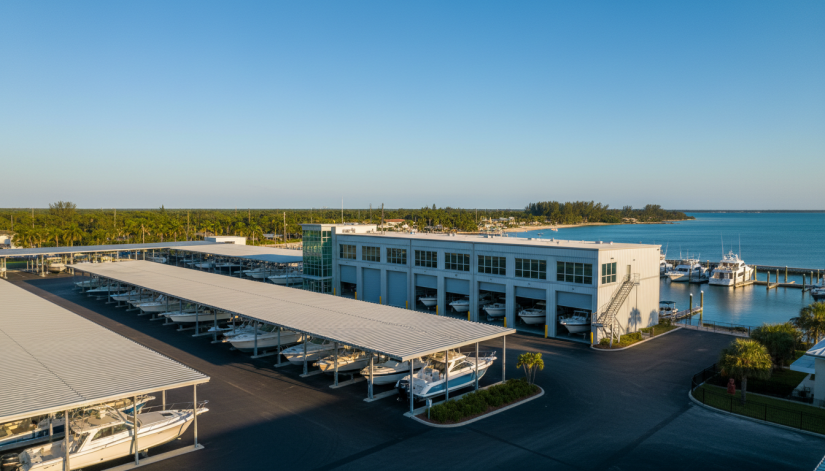


Boat Storage in Ocean Springs, MS: Options, Costs, and How to Keep Your Boat in Great Shape
Boat Storage in Ocean Springs, MS
Introduction to Boat Storage in Ocean Springs, MS
Boats are fun when they’re ready to go—and expensive when they’re not. That’s why boat storage is a bigger deal than most people realize, especially on the Gulf Coast. In Ocean Springs, the right storage setup helps protect your investment from sun, humidity, salt air, and the occasional “surprise” weather event that shows up fast.
Ocean Springs also has predictable demand spikes. Spring and summer bring more boats out of hiding, which means storage spaces can fill up quickly. Add coastal conditions to the mix, and an uncovered boat can age faster here than it would inland.
This guide is for local boaters who want protection and easy access, and for newcomers who want a clear plan before they arrive—so they’re not scrambling during peak season.
Why Boat Storage Matters
Boat storage isn’t just parking. It’s a way to reduce wear, protect equipment, and keep your boat looking and running the way it should.
- Protects your boat from weather and damage: UV rays fade gelcoat, crack vinyl seats, and dry out seals; humidity can lead to mildew and corrosion.
- Helps you stay compliant with local rules: Some neighborhoods and HOAs limit boat parking in driveways, side yards, or streets. Off-site storage keeps you out of that headache.
- Increases boat lifespan: Boats stored clean, dry, and covered tend to hold value longer and require fewer repairs over time.
Types of Boat Storage Options
Outdoor Dry Storage
- Cost-effective and usually the easiest option for trailered boats.
- Less protection from the elements, so you’ll rely on a good cover and regular check-ins.
Outdoor dry storage works well if you tow often and want quick access. It’s also a solid choice if you’re storing short-term—like during a move, renovation, or seasonal downtime.
Indoor Dry Storage
- High protection from sun, rain, and storm debris.
- More expensive, and not always available in sizes that fit taller boats (like center consoles with T-tops).
Indoor storage is the “best protection” option. If you have a newer boat, expensive electronics, or a boat that will sit for months, this can help prevent weather-related damage that costs far more than the monthly storage rate.
Wet Dock Storage
- Great for frequent use: show up and go—no trailering.
- Higher ongoing wear risk: hull growth, corrosion, and constant moisture exposure mean you’ll need a consistent maintenance routine.
Wet dock storage is convenient, but it’s not “set it and forget it.” If you go this route, stay on top of bottom cleaning, zincs, and corrosion prevention.
Factors to Consider When Choosing Storage
Budget
Storage pricing is tied to protection and convenience. Outdoor is typically the cheapest, covered is often the value middle ground, and fully enclosed/indoor is the premium option. Your best value depends on how long you store and how sensitive your boat is to heat and humidity.
Location Proximity
Think about your real routine: home → storage → ramp. A facility that’s slightly farther from home but closer to your favorite launch spot can actually save time and fuel.
Security Features
Look for practical layers, not just marketing:
- Video surveillance and bright lighting
- Gated access with keypad or app entry
- Perimeter fencing in good condition
- Clear policies on access hours and visitor control
For trailered boats, bring your own security too: a coupler lock, wheel lock, and outboard lock (if applicable) are simple upgrades that help.
Measuring Your Boat for the Perfect Storage Fit
Most storage mistakes happen because people measure the boat and forget the trailer. Facilities care about your full footprint.
- Total length: include the boat, trailer, and tongue. If you have a swing-away tongue, measure both extended and folded.
- Width: account for trailer fenders, guide posts, and anything that sticks out (steps, brackets, rails).
- Height: include the tallest point—T-top, windshield, antennas, radar, or raised mounts.
- Clearance: leave room to walk around and connect the hitch without scraping walls or bumping posts.
Step-by-Step Guide to Selecting a Storage Unit Size
If you’re renting an enclosed unit (garage-style), sizing it correctly is straightforward:
- Start with the total dimensions of your boat and trailer.
- Add clearance for access: 1–2 feet on each side (more if you’ll store gear inside).
- Match to unit dimensions: common large units include 10x20, 10x25, 10x30, and larger.
- Confirm the door opening: interior space doesn’t help if the door height/width is too tight.
Example: A 21-foot bay boat can easily be 26–28 feet total on the trailer. That often points you toward a 10x30 if you want comfortable clearance and room to move.
Preparing Your Boat for Storage
A clean, dry boat stores better—and comes out of storage faster. Prep now saves you time later.
- Clean and dry thoroughly: wash off salt and grime, dry compartments, and remove anything that can mildew.
- Remove sensitive electronics: take out removable fish finders, handheld radios, and valuables.
- Cover correctly: use a snug, weather-resistant cover and strap it down to prevent flapping in wind.
- Protect the trailer: check tire pressure, grease hubs if needed, and consider a wheel lock.
- Batteries and fluids: disconnect batteries or use a maintainer if allowed; stabilize fuel for long storage.
Comparing Boat Storage Costs
Boat storage costs vary based on protection level, space size, and local demand. For budgeting in a coastal market like Ocean Springs, these ranges are a realistic starting point:
- Outdoor dry storage (uncovered): roughly $50–$140/month
- Covered parking spaces: roughly $90–$220/month (availability varies)
- Fully enclosed/indoor storage: roughly $150–$400+/month (especially for high-clearance needs)
Outdoor storage is usually budget-friendly. Indoor (especially climate-controlled) is the premium option and can be worth it if you store long-term or have materials/electronics that don’t play nicely with heat and humidity.
Storage Tips for Seasonal Use
Winter
Ocean Springs is mild compared to many states, but cold snaps happen. Protect plumbing if needed, keep batteries maintained, and check cover straps after windy weather.
Summer
Ventilation matters. Heat and humidity can trap moisture inside compartments. Moisture absorbers help reduce mildew smells and interior dampness.
Year-Round
Do quick monthly check-ins: look for leaks, pests, cover wear, and corrosion starting on metal parts.
Pros and Cons of Popular Storage Options
Outdoor Parking Spaces
Pros: Affordable, accessible, easy towing and quick trips
Cons: Full exposure to weather, more dependence on covers and routine inspections
Covered Parking Spaces
Pros: Partial protection, reduces UV damage and heat stress, often the best value
Cons: Higher cost than uncovered, fewer spots available in peak season
Fully Enclosed Units
Pros: Maximum protection from sun, rain, and storm debris; better long-term preservation
Cons: Most expensive, size and door clearance can be limiting
Maximizing Your Storage Space
If you have an enclosed unit or room around your boat, you can store more without feeling cramped.
- Use vertical storage: shelves or wall hooks for life jackets, dock lines, bumpers, and cleaning gear.
- Optimize trailer placement: back in straight to preserve walkways and improve compartment access.
- Remove foldable parts: bimini tops, removable seats, and coolers can be stored separately.
- Create a “launch tote”: straps, gloves, tools, spare drain plugs, and a flashlight—ready to grab.
Local Boat Storage Insights in Ocean Springs, MS
Local weather is the main driver of storage decisions here. Hurricanes and severe storms mean you want a plan: strong cover straps, a facility with good drainage, and a location that doesn’t flood after heavy rain. Snow is rare, but wind and rain aren’t—so a cover that stays secure matters more than people think.
Community resources can also help you choose wisely. Local marinas, bait shops, fishing groups, and neighborhood boards are great places to ask which facilities are easiest to access, which lots stay dry, and which places have the best security reputation.
If you want to compare options and lock in a space before peak season, explore boat storage in Ocean Springs, MS.
