




Boat Storage in Gautier, MS: How to Protect Your Boat From Coastal Weather and Keep It Ready to Go
Introduction to Boat Storage in Gautier, MS
Owning a boat on the Mississippi Gulf Coast is a blast, but it also comes with one big responsibility: protecting it when it’s not in the water. Good boat storage in Gautier, MS helps you avoid expensive damage from sun, storms, humidity, and salt in the air. It also keeps your driveway clear and makes routine upkeep easier—so you spend more time boating and less time fixing things.
Gautier has a few storage challenges that are different from inland towns. Coastal humidity can cause mildew, musty odors, and corrosion on metal parts. Summer heat can fade gelcoat and crack vinyl seating. And during storm season, wind-driven rain and flying debris can do real damage fast. Storage demand also spikes seasonally—spring and early summer fill up quickly, and many owners start looking for safer storage again before hurricane season ramps up.
This guide is for local residents who want a better storage setup, and for people moving to the area who need a clear plan for where to keep a boat trailer without worrying about weather or neighborhood rules.
Why Boat Storage Matters
A boat isn’t just a purchase—it’s a long-term investment with ongoing upkeep. Storage plays a major role in how long your boat lasts and how well it holds value.
- Protects against the elements: UV exposure, heavy rain, falling branches, and salt air can speed up corrosion and oxidation.
- Helps with local rules: Some neighborhoods and HOAs limit driveway storage, street parking, or how long a trailer can sit outside.
- Extends lifespan: Proper storage helps prevent mildew in compartments, wiring issues from moisture, cracked hoses during cold snaps, and premature wear on upholstery and finishes.
Types of Boat Storage Options
Most boat owners in Gautier choose between outdoor dry storage, indoor dry storage, or wet dock storage. Each option fits a different budget and boating style.
Outdoor Dry Storage
Typically the most cost-effective. Your boat stays on the trailer in a designated outdoor space. It’s convenient if you use your boat often, but you’ll want a high-quality, well-fitted cover because sun and humidity are constant here.
Indoor Dry Storage
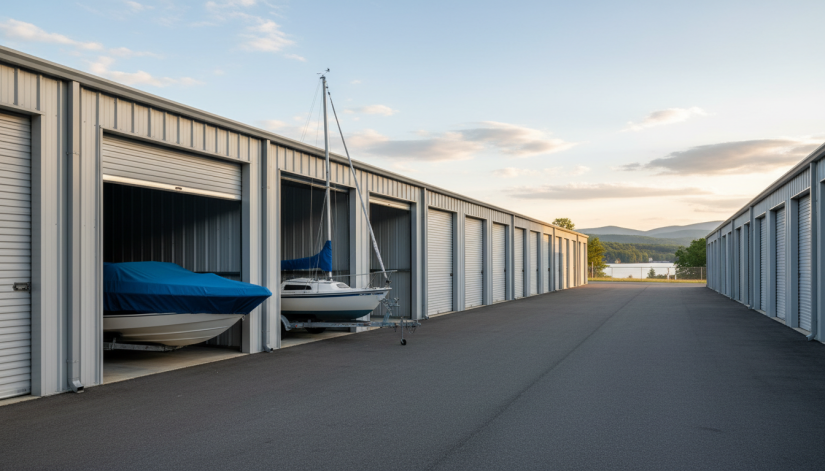
Maximum protection from weather and UV. A fully enclosed unit shields your boat from wind-driven rain, debris, and intense sun. This is popular for newer boats, boats with premium upholstery, and anything with expensive electronics.
Wet Dock Storage
Great for frequent boaters who want quick access, but it comes with more wear and maintenance. Constant water exposure can lead to algae buildup, hull staining, and faster corrosion—especially in a coastal environment.
Factors to Consider When Choosing Storage
Picking the right storage spot is easier when you focus on the few factors that matter day-to-day.
Budget
Decide whether you need basic parking, covered protection, or full enclosure. A 16-foot aluminum fishing boat might be fine outdoors with a proper cover, while a 24-foot bay boat with electronics and cushions is often worth enclosing.
Location Proximity
If you’re launching every weekend, convenience matters. Storage that’s easy to reach from your home—or your usual route to the water—can make boating feel effortless.
Security Features
Look for practical security layers such as gated access, cameras, bright lighting, and clear lock policies. If your trailer is stored outside, add extra protection with hitch locks and wheel locks.
Measuring Your Boat for the Perfect Storage Fit
Most storage mistakes come from bad measurements. The goal is to measure your real footprint, not just the hull.
- Total length: From the front tip of the boat (or bow pulpit) to the end of the trailer tongue. If you have a swing-away tongue, measure both ways and confirm what the facility allows.
- Total width: Measure the beam plus anything that sticks out—guide-ons, fenders, rails, steps, etc.
- Total height: From ground to the highest point—windshield, T-top, tower, radar arch, or the top of your cover. Height is often the deciding factor for enclosed storage.
- Add clearance: Leave room to open compartments, walk around, and access straps without scraping walls or posts.
Step-by-Step Guide to Selecting a Storage Unit Size
If you’re choosing a covered bay or enclosed unit, sizing is where you either feel comfortable—or cramped every time you visit.
- Start with your full boat-and-trailer dimensions (length, width, height).
- Add clearance for walkways and accessories (coolers, life jackets, batteries, spare prop).
- Compare your measurements to the door opening and interior dimensions—door height matters just as much as unit size.
- Think about maneuvering. If backing in feels stressful, a slightly larger space can save you from constant frustration (and potential dings).
Preparing Your Boat for Storage
Coastal conditions reward good prep. These steps help prevent mildew, corrosion, and surprises when you’re ready to get back on the water.
- Clean and fully dry the boat: Focus on compartments, coolers, livewells, and carpeted areas where moisture hides.
- Remove electronics and valuables: Take removable GPS/fish finders, radios, and personal gear home.
- Use a proper cover: A loose tarp flaps in wind and can rub your finish. A snug, strapped cover stays put and protects better.
- Protect metal parts: A light corrosion inhibitor on exposed hardware helps, especially if you boat in brackish water or store near the coast.
Comparing Boat Storage Costs
Costs generally track with protection level:
- Outdoor storage is usually the most affordable.
- Covered storage costs more but reduces sun and debris exposure.
- Enclosed storage is the premium option—and often the best fit for long-term storage, newer boats, and boats with high-end interiors.
In Gautier, it’s worth considering what coastal weather can cost you. Replacing faded upholstery, fighting mildew smells, or repairing corrosion damage can be far more expensive than upgrading from outdoor to covered or enclosed storage.
Storage Tips for Seasonal Use
Winter
Winters are usually mild, but freezing nights can happen. Winterize if you’ll store long-term—especially engines and water systems. Remove drain plugs and prevent water pooling on the cover.
Summer
Heat and humidity are the main threats. Use moisture absorbers in compartments and keep the cover tight so it doesn’t trap pockets of damp air.
Year-Round
Check your boat regularly: watch for pests, inspect straps, check trailer tire pressure, and confirm the cover hasn’t shifted after storms.
Pros and Cons of Popular Storage Options
Outdoor Parking Spaces
Pros: Affordable, easy access, great for frequent boaters
Cons: Most exposure to sun, storms, and salt air unless covered well
Covered Parking Spaces
Pros: Partial protection from sun and falling debris; cooler than fully outdoor storage
Cons: More expensive; wind-driven rain and humidity can still reach the boat
Fully Enclosed Units
Pros: Maximum protection from weather, UV, and debris; helps prevent mildew and keeps the boat cleaner
Cons: Most expensive; sizing and height limits matter
Maximizing Your Storage Space
If you’re using an enclosed unit, you can store more than just the boat if you set it up smart.
- Go vertical: Shelving or wall hooks can hold life jackets, ropes, bumpers, and paddles without eating floor space.
- Optimize trailer placement: Back in straight, use wheel chocks, and leave room to reach tie-down points and compartments.
- Fold/remove what you can: Folding towers, biminis, and removable cushions can reduce sun/moisture exposure and make fitting easier.
Local Boat Storage Insights in Gautier, MS
Weather is the biggest driver of storage decisions here. Hurricane season is a real factor, and even non-hurricane storms can bring high winds and heavy rain. That’s why covers, secure parking, and good drainage matter. If you’re storing outdoors, pick a spot that’s less prone to standing water and make sure your cover is strapped down tight.
For community connections, local marinas, fishing groups, and Coast-area boating pages are great for learning launch spots, maintenance recommendations, and seasonal reminders. If you’re new to Gautier, those groups can also help you choose a storage style that matches how you boat—some people want quick access every weekend, while others want maximum protection for long off-seasons.
At the end of the day, the best storage choice is the one that fits your boat, your schedule, and the level of protection you actually need in a coastal climate.
Boat storage in Gautier, MS
